
Natural Slate Roofing
Enduring. Architectural. Unmistakable.
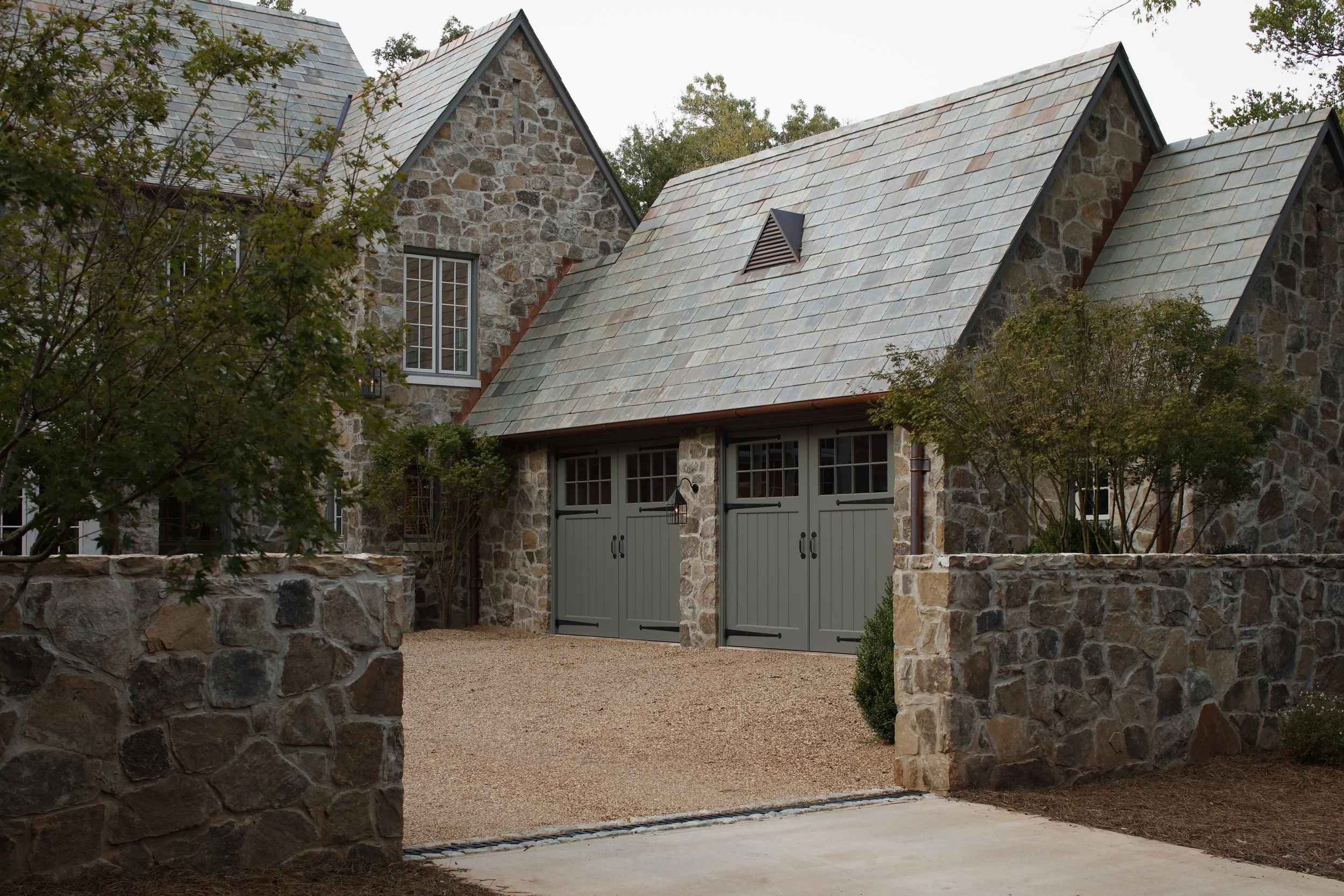
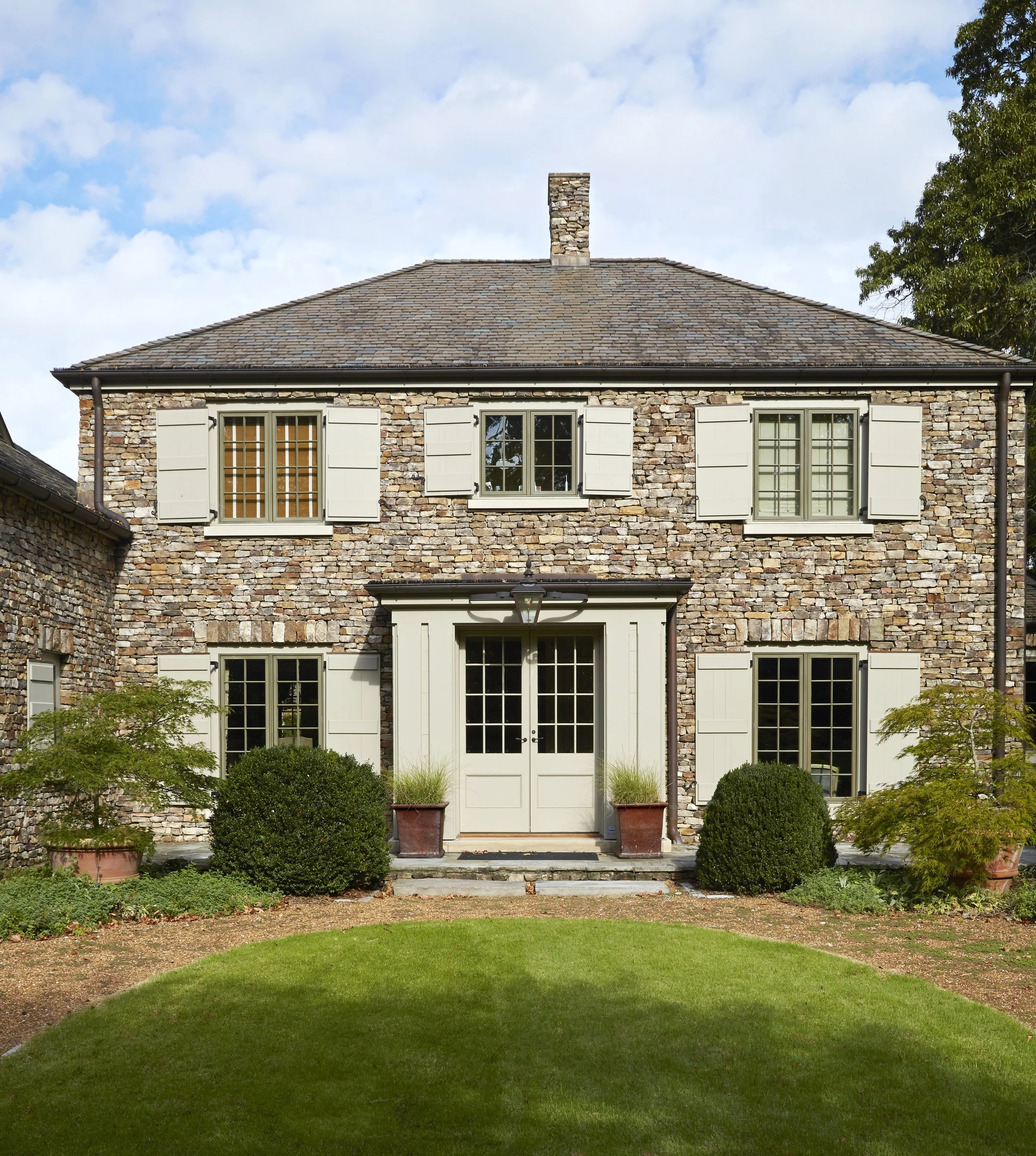
Quarried from the earth and shaped by hand, slate carries a weight—both literal and visual—that few materials can match. Its depth of color, subtle variation, and natural cleft surface create a roof that feels settled, not applied.
What defines slate:
Longevity: Often lasting 75–150+ years when properly installed
Material integrity: Naturally fire-resistant, low water absorption, and exceptionally durable
Aesthetic depth: Variation in tone and texture that cannot be replicated
Timelessness: A material that ages without losing its intent
Slate is not a trend. It is a commitment to building something meant to outlast its first generation.
Cedar Roofing
Warm. Textural. Alive with character.
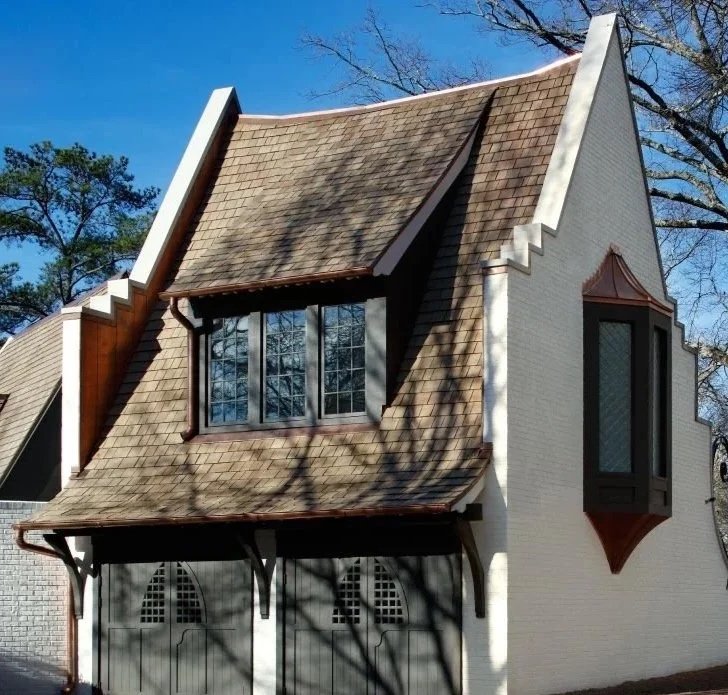
Cedar offers a different expression—softer, more organic, but no less intentional. Over time, it weathers gracefully, shifting from rich, warm tones to a soft silver-gray patina.
Each roof carries subtle variation, shaped by grain, cut, and exposure.
What defines cedar:
Natural beauty: Warmth and texture that bring balance to stone, brick, and plaster
Aging gracefully: Develops a distinguished patina over time
Performance: Naturally resistant to moisture, insects, and decay when properly specified
Lightness: Structurally lighter than slate, offering flexibility in design
Cedar is often chosen for homes that favor quiet elegance—where texture and tone do the work.